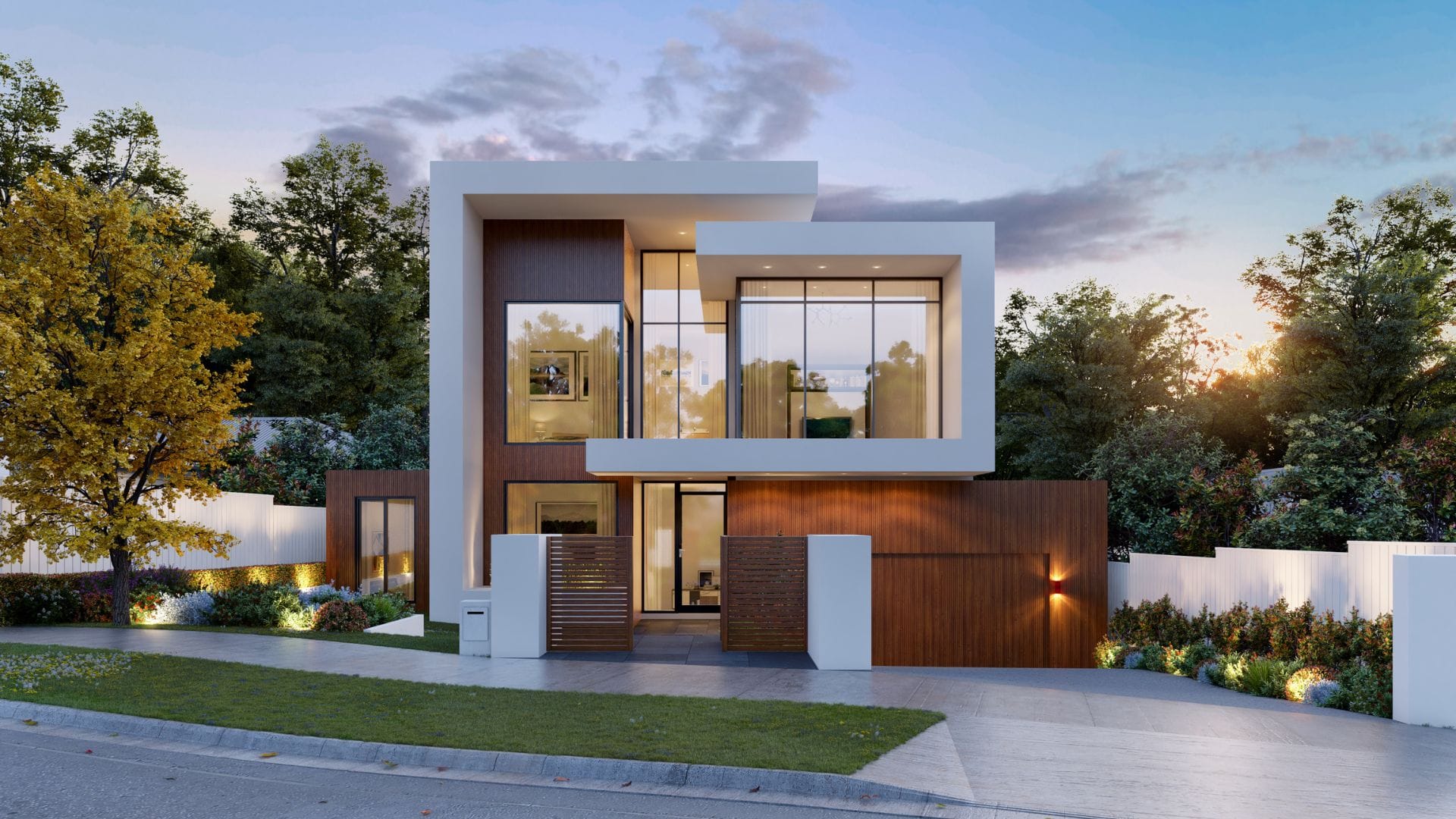

Successful 3D animation in real estate marketing is rarely a case of publishing a polished walkthrough and waiting for sales to happen. The stronger examples use animation to solve a specific campaign problem: presenting an unbuilt development, helping buyers understand a complex offer, giving sales teams better presentation material, or creating a visual idea strong enough to attract wider attention.
The five campaigns below have documented results connected to wider marketing programs that included CGI animation or animated property content. The distinction matters. A development selling quickly does not prove that animation alone caused the sales.
What these examples can show is how animation was positioned inside campaigns that produced measurable commercial or marketing outcomes, and which ideas can be applied to projects in Australia and the United States.
What Does Successfully Mean in These Campaigns?
Real estate campaigns should not all be judged against the same metric.
A 200-unit apartment project may care about reservations and sell-through. A boutique development may need qualified enquiries. A luxury project with an unusual feature may use animation to gain press coverage that would be expensive to buy through advertising. A sales-suite animation can also be successful when sales staff repeatedly use it to answer buyer questions.
For the examples below, success is based on documented outcomes such as:
| Campaign | Market | Role of 3D animation | Documented campaign outcome |
| Archibald, Bondi Junction | Sydney, Australia | CGI animation integrated into display-gallery and campaign media | Bulk of apartments sold in less than two days |
| Main Drive Kew | Melbourne, Australia | CG animation paired with premium campaign collateral | Every stage reported as sold out |
| The Hunter, Double Bay | Sydney, Australia | Flythrough animation embedded in digital sales tools | 13 residences sold within a fortnight |
| The Addie at Westlake | Austin, Texas | Cinematic animation within a full pre-sales CGI suite | 46-home community ultimately sold out, with strong early sales |
| Paragon of Pyrmont | Sydney, Australia | Concept-led animation built around a distinctive property feature | Major earned-media attention and more than one million reported impressions |
The results belong to the campaigns as a whole. Architecture, pricing, location, market conditions, sales teams, brand, media, buyer databases and other factors also influenced performance.
That is precisely why these examples are useful. They show what animation can do when it has a defined role rather than being treated as an isolated creative asset.
For a broader explanation of those possible roles, the guide to 3D animation for real estate marketing covers how animation can connect a project promise with supporting campaign information.
1. Archibald, Bondi Junction: Animation as Part of a High-Impact Launch Environment
Archibald in Bondi Junction provides a useful Australian example because the animation was not treated as a standalone video.
The campaign combined branding, CGI, cinemagraph-style imagery, digital applications and physical display-gallery presentation. According to the project marketing agency’s published case study, CGI animation appeared on television screens within the gallery alongside other visual material, while the campaign’s digital and print execution maintained the same visual direction.
The agency reports that the campaign generated an unusually high level of enquiry and that the bulk of the apartments sold in less than two days. That is a campaign-level result, not an isolated animation conversion test.
View the Archibald campaign documentation
Why the campaign is useful to developers
The first lesson is integration.
A property animation can lose impact if the website, brochure, display suite and sales material feel like separate creative exercises. Archibald used motion within a broader identity system.
That matters because buyers do not experience a property campaign through one asset. They may first see paid social content, then visit a landing page, inspect CGI stills, arrive at a display gallery and speak with a sales representative.
Consistency between those touchpoints reduces the amount of re-explanation required.
The second lesson is that animation does not have to carry the full campaign narrative. A short visual sequence on a display screen can support the physical environment while detailed architectural renders handle slower inspection.
Teams planning similar systems can use a 3D animation and walkthrough service framework to separate motion requirements from still-render requirements before production begins.
For developers, this can also protect budget. One carefully developed visual language can inform still CGI, motion, campaign graphics and presentation material rather than rebuilding the look for every medium.
2. Main Drive Kew: Matching Animation to a Defined Buyer Market
Main Drive Kew in Melbourne shows a different application.
The project covered almost 300 homes on a large site in the Studley Park precinct. Its campaign was directed at local buyers and overseas Chinese purchasers, according to the published project case study. CG animation was paired with high-end printed collateral rather than being positioned as the campaign’s only visual tool.
The same source states that every stage of the project sold out and reports recognition at Australian catalogue and graphic-design awards.
Review the Main Drive Kew campaign case study
The useful lesson is audience alignment
Animation production often starts with architecture:
Which exterior should be shown?
Which room should the camera enter?
Should the sequence begin with an aerial?
The marketing question should come first.
Who is watching, what information do they need, and where will the animation appear?
An overseas purchaser who cannot easily visit a site has different information needs from someone living several kilometres away. A large staged residential community also needs to communicate more than the design of one individual house.
That can affect camera selection.
A large-development animation may need to establish site organization, streets, open space, building relationships and access before moving into a residential experience. An animation focused only on a beautiful kitchen may fail to explain the broader proposition.
This is where architectural 3D rendering and animation can work together. Wider CGI views can explain masterplan context in a form buyers can examine at their own speed, while motion shows transitions and sequence.
Main Drive Kew also illustrates why marketers should not automatically separate digital and printed material. Animation, brochures and sales collateral can serve different stages of the same buyer process when they share the same visual direction.
3. The Hunter, Double Bay: Put Animation Inside the Sales Process
TOGA Group’s The Hunter in Double Bay is particularly useful because published reporting describes how buyers and sales agents interacted with the campaign technology.
The development consisted of 13 residences. The Urban Developer reported that it sold out within a fortnight of its pre-sale campaign. Central to the sales system was an iPad application containing interactive floor plans, colour-scheme tools, CGI images, movies and animated flythrough content. VR headsets were also used.
The same report says four out of five buyer interactions used the app rather than the traditional printed sales book. That gives the example an unusual metric: not simply a sell-out result, but evidence that the digital tool was actively used during buyer conversations.
Read the documented Hunter campaign results
This is different from using animation as advertising
The Hunter shows a role that is easy to overlook.
Animation does not have to generate the first click.
It can help after an enquiry has already occurred.
A potential purchaser may enter a sales suite knowing the project’s name but still need to understand unit configuration, finishes, spatial relationships or a specific apartment outlook. At that stage, animation operates alongside plans, CGI and interactive tools.
This suggests a useful campaign question:
What should happen after somebody watches the animation?
For a paid advertisement, the next action might be a project-page visit. Inside a display suite, the next action might be comparing an apartment type, discussing availability or reviewing a floor plan.
That difference should affect the animation itself.
A sales-support animation can spend more time clarifying architecture. It does not have to behave like a 15-second social advertisement.
The Hunter also demonstrates the efficiency of developing related visual assets from a shared 3D environment. CGI stills, animated flythroughs and other digital presentation material can draw from common project data when planned together.
Developers comparing those output types can review a gallery of animation and walkthrough examples to identify where motion provides information that still imagery cannot.
4. The Addie at Westlake, Austin: Build a Pre-Sales System, Not One Hero Film
The Addie at Westlake provides the strongest United States example in this group.
The Austin development comprised 46 residences, including townhomes and detached homes. The visualization package documented for the project included ten exterior images, five interior images, furnished floor plans and a roughly 90-second cinematic animation produced before the community was built. The animation also incorporated real site imagery and drone context.
Independent local reporting provides useful timing context. Legacy Communities broke ground in January 2021, and by February 4 only nine of the 46 residences remained available. Community Impact reported that strong buyer interest had left the project nearly sold out roughly a week after construction started.
Later listings record the community as sold out.
See the independent early-sales reporting for The Addie
What made the visual system useful?
The animation was not asked to do everything.
Still renders could show architectural character and detailed interiors. Furnished floor plans handled unit comprehension. The cinematic film connected the property, site and lifestyle into motion.
The documented case study states that the visualization assets supported the development website, broker and MLS material, sales presentations, printed collateral and stakeholder communication.
This is a useful model for US residential development because the project marketing system often spans several channels with different information requirements.
An MLS listing needs a different asset from an investor presentation. A broker email needs something different from a large screen in a sales environment. A social clip needs something different again.
One developed 3D project environment can support those needs, but only if the asset plan is considered before final rendering.
That is also why a single animation should not automatically receive the entire visualization budget.
For many campaigns, a balanced package of still CGI, floor plans and motion provides better coverage of the buyer’s questions than a long video alone.
A broader portfolio of architectural visualization projects can help project teams compare which formats suit different property types before building the marketing scope.
A note on attribution
The Addie’s sales performance cannot be attributed to animation alone.
Location, product, pricing, architecture, market timing, sales execution and other campaign assets all mattered.
The defensible conclusion is narrower: CGI animation was a documented component of a pre-sales visualization system used during a project that achieved rapid early sales and ultimately sold out.
That is strong evidence of practical campaign use without pretending the film can be isolated as the sole cause.
5. Paragon of Pyrmont: Use Animation to Make One Feature Newsworthy
Paragon of Pyrmont is different from the previous examples because its most interesting outcome was attention.
The Sydney development included an unusual optional car-lift concept that could raise a luxury vehicle into a townhouse living area. Rather than treating the feature as a technical specification hidden in a brochure, the campaign turned it into a visual story.
Published industry coverage explains that campaign CGI and animation built a distinctive narrative around the project. The concept attracted unsponsored editorial attention from property publications and television coverage.
In a later interview, Thirdi Group co-founder Luke Berry described spending about A$5,000 on the animation around the car-lift idea. He said the resulting concept attracted more than one million views or impressions across media exposure and believed it contributed to property sales. The interview also connects the work to recognition in a UDIA marketing context.
Listen to the developer’s account of the Paragon campaign
The lesson is not “make every campaign cinematic
The useful lesson is specificity.
Paragon had an unusual physical product feature. The animation gave that feature a form that journalists and prospective buyers could immediately understand.
A conventional slow flythrough of the living room would not have created the same story.
That distinction matters.
Many property animations show architecture well but contain no clear campaign idea. The camera moves through the foyer, living room, bedroom, balcony and exterior because those spaces exist, not because the sequence is communicating a particular reason to pay attention.
Paragon reversed that logic.
It identified a feature with strong curiosity value, then used CGI motion to demonstrate something that could not have been communicated as clearly through conventional photography at that stage of the development.
A project without a genuinely distinctive feature should not manufacture one. But where architecture, engineering, location or amenity provides a real point of difference, animation can make that point easier to understand.
What These Five Campaigns Actually Tell Us

The examples differ, but several patterns appear repeatedly.
1. Animation had a defined job
Archibald used motion inside the launch environment.
Main Drive Kew used it as part of a campaign designed for a defined buyer market.
The Hunter placed animated content inside a digital sales system.
The Addie built animation into a wider pre-sales visualization package.
Paragon used animation to dramatize one highly distinctive feature.
None of those roles can be reduced to “make a 3D walkthrough.”
That is the first planning lesson.
Before commissioning animation, write one sentence explaining its campaign job.
For example:
“Help overseas buyers understand how the development sits within the site.”
“Show the transition between the living space and the terrace.”
“Give sales agents a visual explanation of the penthouse layout.”
“Introduce the project’s signature amenity in a short social sequence.”
A vague objective usually produces a vague film.
2. Animation worked with other assets
Every strong example involved more than motion alone.
Brochures, CGI stills, floor plans, sales applications, VR, digital advertising, physical sales environments, press coverage or broker material appeared around the animation.
That matters because property decisions are rarely made from one piece of media.
A buyer may notice a video, inspect the floor plan, study still images, compare availability and then speak with an agent.
The campaign should support that progression.
3. The most useful metric changed by campaign
Sell-through was relevant to Archibald, Main Drive Kew, The Hunter and The Addie.
Paragon provides a different type of evidence: earned attention.
For another campaign, the appropriate measures might be:
- Qualified enquiries
- Sales-suite appointments
- Broker registrations
- Project-page visits
- Video completion
- Floor-plan views
- Reservation deposits
- Cost per qualified lead
- Sales-tool usage
- Press coverage
Views alone are rarely enough.
If 200,000 viewers watch an animation but none belongs to the intended buyer market, the campaign may have produced reach without commercial value.
4. The 3D model became campaign infrastructure
Once the underlying model, materials, landscaping and lighting have been approved, they can often support several assets.
That is one reason developers may benefit from planning architectural animation production together with still imagery rather than commissioning each output in isolation.
The camera treatment will differ, and every final asset still requires its own art direction, but shared scene development can maintain visual consistency across the campaign.
How Developers Can Apply These Lessons to a New Campaign
A property team does not need to copy any of the five campaigns above.
In fact, copying the creative idea would miss the point.
The useful process is to identify the marketing problem first.
Step 1: Define the conversion event
Decide what success means before production.
Is the animation intended to generate enquiries, explain the project during appointments, improve a sales page, launch an off-plan release or introduce a distinctive feature?
Step 2: Identify what buyers cannot understand from existing material
Do not animate information that a floor plan or still render already communicates more clearly.
Use movement where sequence, scale, transition, changing viewpoint or a moving feature matters.
Step 3: Decide how animation connects with supporting assets
List the required still CGI, floor plans, interactive material, advertising edits, website content and sales-suite outputs.
The animation should occupy one defined position inside that system.
Step 4: Plan campaign versions before the master is rendered
A widescreen launch film may need vertical cutdowns for mobile advertising.
A sales-suite version may require slower pacing.
A broker presentation may need individual scenes that can be played separately.
Those requirements affect framing and editing.
Step 5: Protect architectural accuracy
The more persuasive the CGI becomes, the more carefully its content should correspond with the approved project information.
Materials, views, room proportions, landscaping, amenities and context should be reviewed before they become campaign claims.
Step 6: Measure the job the animation was designed to perform
If the film was created for the sales suite, track usage during appointments.
If it was created for advertising, track the progression from viewing to qualified enquiry.
If the purpose was earned media, track coverage and referral traffic.
The metric should match the assignment.
The Strongest Campaigns Give Animation a Reason to Exist
The five examples do not prove that adding 3D animation to any real estate campaign will increase sales.
They show something more useful.
Animation contributed to campaigns that had a clear product, audience, visual direction and commercial purpose. In some cases it helped buyers interpret an unbuilt development. In others it strengthened a digital sales system or turned an unusual architectural feature into a piece of media people wanted to discuss.
For architects, developers and property marketing teams in Australia and the United States, that is the practical standard to use.
Do not begin with the question, “What should our animation look like?”
Begin with:
What does the campaign need people to understand or do that our existing property marketing cannot communicate clearly enough?
Once that answer is specific, the right role for animation becomes much easier to define.
Can 3D animation directly increase real estate sales?
It can support a sales campaign, but a sales increase should not automatically be attributed to animation alone. Property quality, location, price, demand, media, sales staff, brand and other marketing assets also affect results. A stronger measurement approach tracks what the animation was designed to influence, such as enquiries, appointments, sales-tool usage or reservations.
What types of real estate campaigns benefit most from 3D animation?
Animation is particularly useful for off-plan developments, complex masterplans, luxury properties with distinctive features, projects targeting remote buyers, and campaigns where movement helps explain spatial relationships. Completed properties may sometimes be communicated more directly through filmed video, while simple projects may need only strong still renders and floor plans.
Should a property campaign use animation or still CGI first?
The decision depends on the information that buyers need. Still CGI is well suited to detailed examination of a specific room, facade or material treatment. Animation is more useful for movement, sequence and spatial connection. Many off-plan campaigns need both because they solve different communication problems.
How should success be measured for a real estate animation?
Use the metric tied to the animation’s campaign role. Advertising content might be measured through qualified enquiries and cost per lead. Sales-suite animation can be measured through usage during appointments and progression to reservation. A launch film may also be assessed through website engagement, broker activity or campaign reach.
Can one architectural animation be reused across social media and property websites?
Useful inputs include current architectural drawings, CAD or BIM files where available, material schedules, landscape information, approved interior references, branding, campaign objectives, target audience, intended channels and a clear feedback process. The animation team also needs to know which aspects of the project remain subject to change.
Are campaign case studies proof that 3D animation caused a sell-out?
No. A campaign case study can show that animation was used during a successful development launch, but that is different from controlled evidence that animation alone caused the sales. Unless a campaign conducted a credible comparison isolating the animation variable, commercial results should be attributed to the wider campaign and development proposition.
 Written byshawonWrites for the Realistic3D blog about 3D animation, exterior and commercial rendering, and virtual walkthroughs for property marketing.More from shawon